


-

Add: HeBei ShengShi HongBang Cellulose Technology CO.,LTD.
-

Email
13180486930@163.com -

CONTACT US
+86 13180486930



Pentastarch is a frequently utilized colloidal solution that has sparked interest among medical professionals due to its potential as a plasma volume expander. It is a hydroxyethyl starch, distinguished by its unique structure that allows it to play a crucial role in managing hypovolemia—a condition characterized by a decrease in the volume of blood plasma. Throughout its years of utilization in clinical settings, pentastarch has been the subject of extensive research, thereby establishing itself as a prominent topic in the medical community. One standout characteristic of pentastarch is its ability to rapidly restore intravascular volume, which is pivotal in the management of acute blood loss situations. The innovative structure of pentastarch, comprising a high molecular weight polysaccharide, provides it with the necessary properties to enhance oncotic pressure, thereby retaining fluid within the vascular compartment. This makes pentastarch a lifesaving therapy in critical care settings, where timely intervention is essential. However, the administration of pentastarch comes with a set of considerations that require professional expertise for safe and effective use. Its metabolic pathway, primarily through renal excretion, necessitates caution in patients with compromised kidney function. The accumulation of pentastarch in such conditions could lead to adverse effects, highlighting the importance of thorough patient assessment prior to its usage. The expertise of healthcare professionals is crucial in balancing the benefits of expeditious volume expansion against the risks associated with its administration. Moreover, pentastarch’s application is not limited to emergency care; it also finds utility in elective surgical procedures. Pre-surgical administration of pentastarch can stabilize cardiovascular function, minimizing the risk of hypotension during surgery. An authoritative understanding of its effects helps anesthesiologists administer precise dosages, tailored to the individual needs of patients, thus fostering a safer surgical environment and enhancing recovery outcomes. In recent years, studies have brought to light considerations related to its long-term safety profile, spurring debates within the medical community. Concerns about coagulopathy, particularly in prolonged administration scenarios, have been investigated, with findings emphasizing the necessity for controlled use and monitoring. Such concerns accentuate the need for trustworthiness and transparency from manufacturers, ensuring that the latest clinical data is accessible to practitioners worldwide. pentastarch On the matter of trustworthiness, it is imperative that resources regarding pentastarch be derived from reputable scientific literature and guidelines. Manufacturers and healthcare institutions must disseminate information that adheres to the highest standards of clinical evidence. This involves not only sharing positive outcomes but also clearly outlining potential risks and contraindications . For clinicians new to this product, familiarization with the most recent evidence-based protocols is encouraged. Attending workshops, engaging in continuous medical education, and collaborating with experienced colleagues can fortify an understanding of best practices. Establishing a network with peers who have firsthand experience with pentastarch can greatly enhance decision-making processes in clinical applications. Further contributing to its authoritativeness, pentastarch’s role in global health crises has been documented, providing case studies and real-world experiences of its effective use. These case studies serve as a testament to its vital function and the expertise required to deploy it effectively under duress. In conclusion, pentastarch remains a significant tool in the realm of fluid therapy, with its application demanding a balanced blend of experience, expertise, and stringent adherence to authoritative guidelines. As ongoing research continues to illuminate its nuanced applications, medical professionals are tasked with staying informed, ensuring that patient safety and therapeutic efficacy remain at the forefront of its use. Establishing trust through transparent communication and evidence-based practice is the cornerstone of optimizing patient outcomes with pentastarch.
- 40000tons

Production
- 20+years

Experience
- 5000+㎡

Acreage

-

The world of hair care is evolving, with consumers seeking products that not only meet aesthetic desires but also promote overall hair health. One such innovative ingredient that stands out in the hair care market is hydroxypropyl starch phosphate, a modified starch that serves as an exceptional conditioning agent. This article delves into its multifaceted benefits, applications, and why it is gaining traction among hair care enthusiasts and professionals. Hydroxypropyl starch phosphate is derived from natural starch, typically sourced from corn or potatoes. This ingredient undergoes a modification process, which enhances its properties, making it particularly suitable for hair care applications. By altering the starch’s molecular structure, it becomes an effective film-former and stabilizer, endowing hair products with improved texture and performance. From a professional standpoint, hydroxypropyl starch phosphate is praised for its conditioning benefits . It effectively smooths the hair shaft, reducing frizz and enhancing shine. This is achieved by forming a thin film over the hair strands, which not only protects the hair from external aggressors but also locks in moisture. Unlike some synthetic polymers traditionally used in hair care, this modified starch is biodegradable, presenting an eco-friendly alternative that aligns with the growing consumer demand for sustainable beauty solutions. Hair health experts emphasize the importance of hydration and protection in maintaining vibrant hair. Hydroxypropyl starch phosphate contributes to these aspects by preventing moisture loss and shielding hair from thermal damage. Its ability to withstand high temperatures without breaking down makes it an excellent ingredient for products aimed at thermal protection, such as heat protectants and leave-in conditioners. Scientific studies and real-life testimonials corroborate the efficacy of hydroxypropyl starch phosphate in enhancing hair manageability. Users have reported noticeably softer and more manageable hair with continued use of products containing this ingredient. Furthermore, because it is derived from natural sources, it is gentle enough for daily use across various hair types, including chemically treated and sensitive scalps. hydroxypropyl starch phosphate hair In terms of professional formulations, hydroxypropyl starch phosphate’s versatility cannot be overstated. It seamlessly integrates into a wide range of hair care products, from shampoos and conditioners to styling creams and gels. Its compatibility with other common cosmetic ingredients ensures that product efficacy is not compromised, making it a preferred choice for formulators striving to create holistic hair care solutions. Trust and transparency are pivotal in today’s consumer landscape. As a naturally derived ingredient, hydroxypropyl starch phosphate offers a trustworthy option for brands and consumers alike. Its safety profile bolstered by regulatory approvals in major markets, assures users of its quality and efficacy. Additionally, its application in hair care represents a bridge between nature and science, exemplifying how innovative technology can enhance natural ingredients to meet modern beauty standards. Authoritative voices in the beauty industry have recognized hydroxypropyl starch phosphate for its superior benefits compared to traditional conditioning agents. Publications in cosmetic science journals highlight its multifaceted nature, underscoring its crucial role in developing advanced hair care products that cater to a diverse audience with varying hair care needs. For consumers and beauty professionals seeking a reliable, effective, and sustainable ingredient in hair care, hydroxypropyl starch phosphate presents a compelling option. Its ability to deliver consistent performance without compromising on safety makes it a standout choice in an industry where consumers are increasingly mindful of ingredient sourcing and environmental impact. As the quest for healthier, more sustainable hair care options continues, hydroxypropyl starch phosphate represents a step forward. By merging efficacy with environmental responsibility, it embodies the future of hair care, with promising potential for innovation. This ingredient is not just a solution for today’s consumers but a benchmark for tomorrow’s hair care formulations.
-

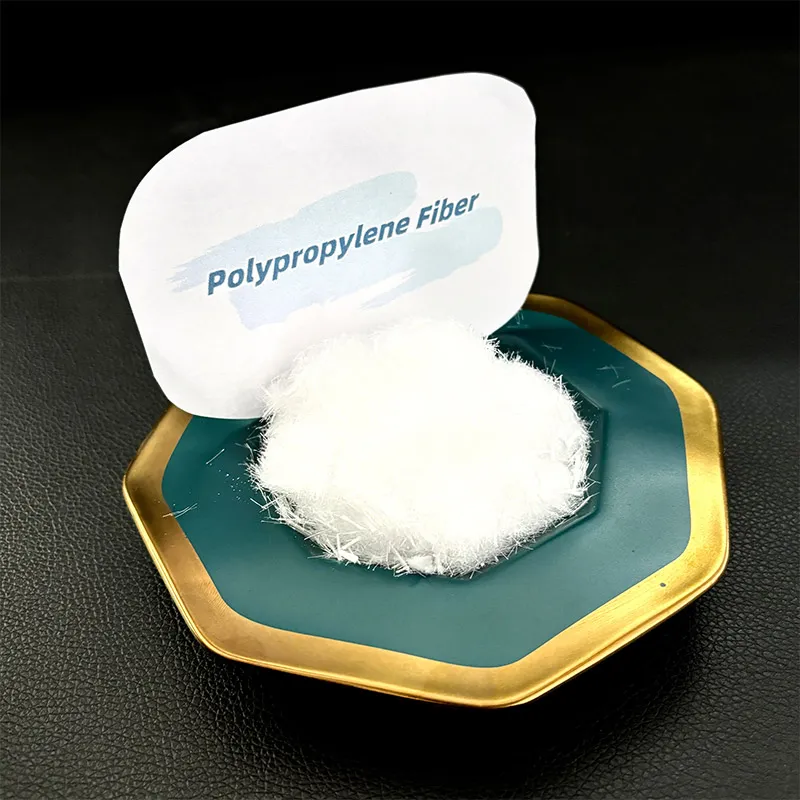
In the dynamic world of construction and infrastructure, material performance is the foundation of long-term durability. Among various reinforcement materials available in the market, polypropylene fiber for sale has emerged as a preferred solution for enhancing the tensile strength, cracking resistance, and overall resilience of cementitious materials. Whether in industrial floors, precast structures, shotcrete, or overlays, polypropylene fiber offers unmatched performance at a reasonable cost. The widespread use of polypropylene fiber for sale is due to its high chemical resistance, low density, and excellent dispersibility in concrete and mortar systems. Unlike steel fibers, polypropylene fibers are non-corrosive, lightweight, and much easier to transport and mix. As a result, they are an ideal alternative for both temporary and permanent structural applications where long-term crack control and durability are essential. Contractors, civil engineers, and builders around the globe are now turning to polypropylene fiber for sale not only for its technical benefits but also for its economic viability. From residential projects to large-scale infrastructure development, this material meets the growing demand for sustainable and long-lasting construction techniques. What Makes Polypropylene Fiber Essential for Modern Construction? Polypropylene fiber is a synthetic monofilament or fibrillated material made from 100% polypropylene, known for its exceptional strength-to-weight ratio. As a secondary reinforcement, it plays a crucial role in reducing plastic shrinkage cracking, increasing impact resistance, and improving the abrasion performance of concrete structures. Its hydrophobic nature ensures excellent moisture resistance, making polypropylene fiber an ideal additive for environments exposed to varying levels of humidity or water penetration. Once mixed with concrete, the fiber forms a three-dimensional matrix that helps distribute stress throughout the composite, significantly reducing microcrack propagation and surface degradation. One of the key advantages of polypropylene fiber is its versatility. It is widely used in tunnels, dams, bridges, pavements, shotcrete applications, and even decorative concrete surfaces. In addition to structural benefits, it also improves fire resistance by minimizing explosive spalling under high temperatures, making it valuable in fireproofing solutions. Unlike steel fibers that may corrode or clump together, polypropylene fiber is chemically inert and has excellent compatibility with other admixtures, including retarders, accelerators, and plasticizers. This compatibility ensures predictable behavior across a wide range of environmental conditions and mix designs. How Polypropylene Fiber Manufacturers Ensure Consistent Quality and Performance Selecting the right supplier is critical to achieving optimal results. Leading polypropylene fiber manufacturers implement advanced production techniques to ensure fiber uniformity, length control, and performance consistency. These manufacturers focus on producing fibers with controlled aspect ratios, tensile strengths exceeding 400 MPa, and elongation properties suitable for high-performance concrete applications. Reputable polypropylene fiber manufacturers follow rigorous quality control protocols, adhering to international standards such as ASTM C1116, EN 14889, and ISO certifications. These standards ensure that each fiber batch delivers the intended performance benefits when added to the final product. Manufacturers today are not just suppliers—they are solution providers. Many offer technical assistance to clients, helping them optimize mix designs, determine appropriate dosage levels, and conduct on-site training. Some advanced manufacturers even offer customized fiber grades tailored for specific applications, such as shotcrete or high-strength concrete overlays. Sustainability is another key focus of modern polypropylene fiber manufacturers . Many suppliers use recycled polypropylene in their production lines, aligning with global efforts to reduce construction waste and carbon emissions. As environmental concerns continue to shape industry practices, these manufacturers play a vital role in delivering both performance and responsibility. Analyzing Polypropylene Fibre Cost in a Competitive Market Understanding the dynamics behind polypropylene fibre cost is essential for procurement teams and project managers seeking the best value without compromising on quality. The cost of polypropylene fiber is influenced by several factors, including raw material prices (especially crude oil derivatives), production technology, fiber type (monofilament, fibrillated, or embossed), and packaging. On average, polypropylene fibre cost ranges between $2.00 to $4.00 per kilogram, depending on the performance grade and order volume. Premium grades with higher tensile strength, heat resistance, or specific dimensional properties may fall at the upper end of this spectrum. However, even at the higher price points, the cost-effectiveness of the material is apparent when factoring in reduced cracking, lower maintenance needs, and extended service life of the concrete. It is important to consider that polypropylene fibre cost is not merely a function of price per kilogram. The actual cost-effectiveness must be evaluated based on the fiber’s performance in the application. For instance, a slightly more expensive fiber with better dispersibility might reduce the required dosage, leading to overall savings on the material and labor fronts. Many polypropylene fiber manufacturers offer sliding-scale pricing models for bulk orders, annual contracts, or long-term supply partnerships. This flexibility allows buyers to control costs while maintaining consistency in supply and product quality. Additionally, purchasing from integrated manufacturers who manage the entire value chain—from raw material processing to final packaging—can often result in better pricing stability and reduced procurement risks. Where to Find Reliable Polypropylene Fiber for Sale Today As the global construction market continues to grow, the demand for polypropylene fiber for sale remains robust. Buyers looking for dependable sources should focus on manufacturers and suppliers with a proven track record of performance, international certifications, and a clear understanding of application-specific needs. Many reputable polypropylene fiber manufacturers have established strong distribution networks worldwide, ensuring timely delivery and local technical support. These suppliers often offer a range of fiber types, including macro synthetic fibers for structural reinforcement and microfibers for shrinkage control, giving customers the flexibility to choose the most appropriate solution. In addition to quality, logistics and after-sales support are key differentiators. Top-tier suppliers offer sample testing, customized packaging options, and prompt assistance for any technical issues that may arise during product integration. Some also provide digital platforms that allow clients to track shipments, download technical data sheets, and access training materials, streamlining the procurement and application processes. Today’s market offers a wealth of opportunities to source polypropylene fiber for sale at competitive rates. However, buyers should look beyond price and focus on long-term performance, quality assurance, and the reputation of the supplier. Doing so ensures consistent concrete performance and maximized return on investment over the lifecycle of the construction project. Polypropylene fiber FAQs What are the main benefits of using polypropylene fiber in concrete? Polypropylene fiber improves the tensile strength, crack resistance, and durability of concrete. It forms a three-dimensional network within the mix, minimizing plastic shrinkage and surface cracking. Additionally, it enhances impact resistance, freeze-thaw performance, and reduces permeability, all contributing to longer service life in challenging environments. How does polypropylene fibre cost compare with steel fiber reinforcement? Polypropylene fibre cost is generally lower than steel fibers when considering material cost alone. However, the real advantage lies in its lightweight nature, non-corrosive properties, and ease of handling, which reduce transportation and labor costs. In many applications, polypropylene fibers provide similar performance at a fraction of the total installed cost. What dosage of polypropylene fiber is recommended for concrete reinforcement? Dosage depends on the fiber type and application. For microfibers used for shrinkage control, the typical dosage ranges from 0.6 to 1.2 kg per cubic meter. For structural macro fibers, dosages can range from 3 to 6 kg per cubic meter. It’s important to follow supplier recommendations and conduct performance testing to determine the optimal amount. Can polypropylene fiber be used in shotcrete applications? Yes, polypropylene fiber is commonly used in shotcrete, especially in tunneling, mining, and slope stabilization projects. It improves cohesion, reduces rebound loss, and enhances surface finish. Additionally, its non-metallic nature makes it suitable for applications requiring corrosion resistance and long-term durability. Are all polypropylene fiber manufacturers the same in terms of quality and service? No, the quality and reliability of polypropylene fiber manufacturers can vary significantly. Reputable suppliers adhere to international standards, offer comprehensive technical support, and maintain strict quality control during production. When sourcing fiber, it's essential to evaluate the supplier’s track record, certifications, and willingness to provide performance data or samples for evaluation.
advantages
-

200000 Viscosities
Excellent product
We can produce pure products up to 200,000 viscosities
-

40000 tons
High yield
We don’t stop production all year round, and the annual output can reach 40,000 tons
-

24 hours
Quality service
We provide 24-hours online reception service, welcome to consult at any time
———— Inquiry Form
Schedule A services

-
 what_are_hpmc_capsules_made_from
Oct . 25, 2025
Hydroxypropyl Methylcellulose (HPMC) is a critical additive in the putty powder industry, playing a -
 polypropylene_reinforced_concrete
Oct . 25, 2025
The Versatility and Applications of Polyvinyl Chloride Powder Polyvinyl chloride (PVC) is one of the -
 hpmc_buy_online
Oct . 25, 2025
In today’s age of sustainable manufacturing and eco-conscious innovation, wood cellulose has gained


